

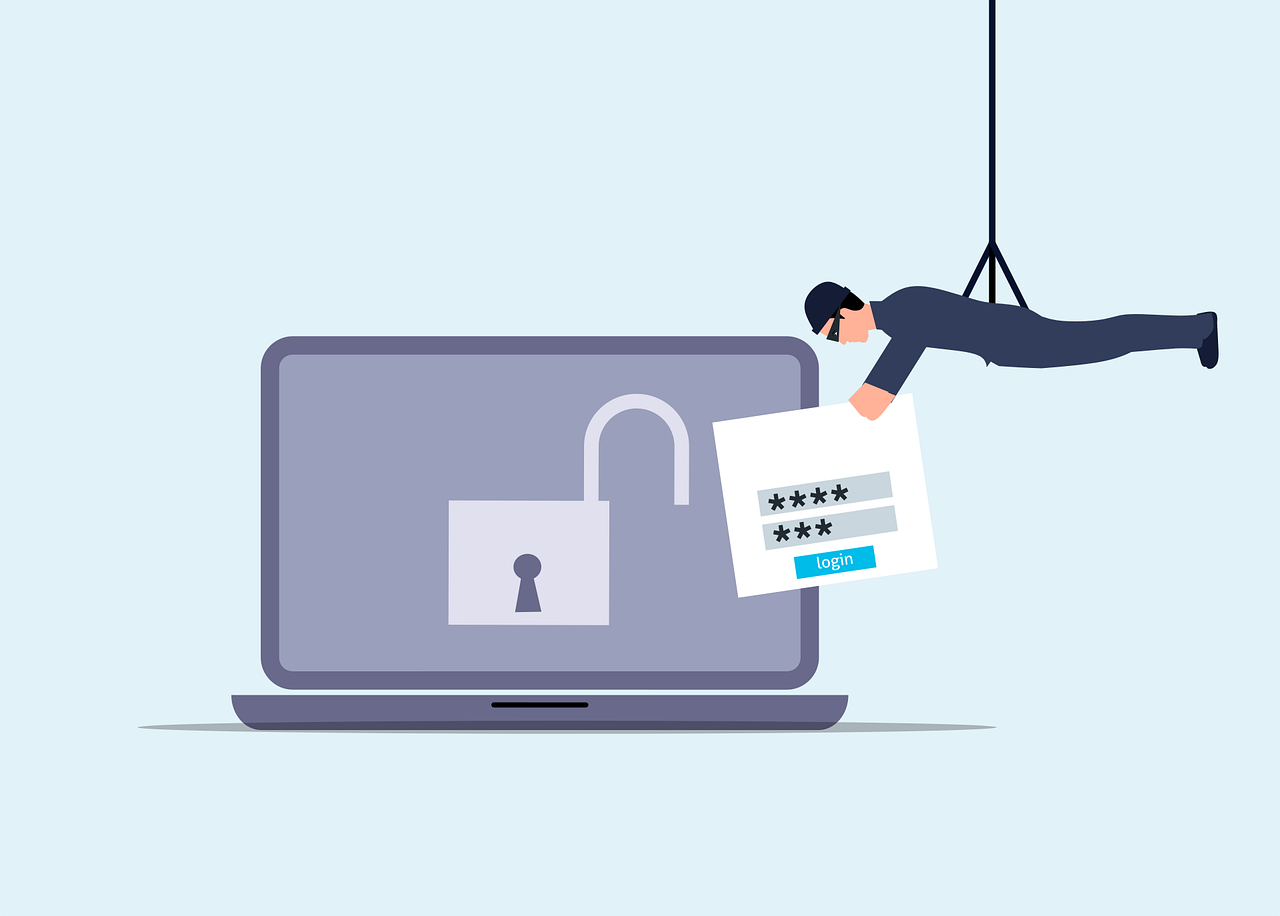
At Prodigi, we believe that strong cybersecurity is the backbone of a successful business. Businesses in New Zealand, no matter their size, are not immune to cyber threats. A data breach can cost you money, your reputation, and the trust of your customers. But the good news? You can prevent most breaches with a few smart strategies. Let’s dive into what data breaches are and how to keep your information safe.
what is a data breach?
A data breach happens when unauthorized individuals gain access to sensitive information. This can include:
- Customer names and contact details
- Financial information, like credit card numbers
- Passwords and login credentials
Hackers steal this data for financial gain, identity theft, or to sell it on the dark web.
why should you care about data breaches?
A data breach isn’t just a small hiccup—it can have serious consequences:
- Financial loss – Breaches can lead to fines, lawsuits, and loss of business revenue.
- Loss of trust – Customers may leave if they don’t feel their data is secure.
- Reputation damage – A single breach can harm your brand for years to come.
So, what can you do to stop a data breach before it happens? Here are 10 essential steps to strengthen your security.
how to prevent a data breach
use strong passwords
Weak passwords are a hacker’s dream. Make yours long and complex, using a mix of letters, numbers, and symbols. Never reuse passwords across multiple accounts.
update your software
Outdated software is full of security gaps. Enable automatic updates to patch vulnerabilities before cybercriminals can exploit them.
train your employees
Cybercriminals love to target human error. Teach your team how to spot phishing emails, avoid suspicious links, and practice good cybersecurity habits.
use encryption
Encryption scrambles your data, making it unreadable to anyone without the proper key. Encrypt files, emails, and even hard drives for maximum security.
limit access to data
Not everyone in your company needs access to all files. Restrict data access based on job roles and implement multi-factor authentication (MFA).
create backups of your data
Regular backups protect you in case of ransomware attacks or accidental deletions. Store copies offline or in a secure cloud environment.
use a firewall
A firewall is like a digital security guard, filtering traffic and blocking unauthorized access. Make sure yours is enabled and updated.
be cautious with emails
Phishing emails trick people into handing over sensitive information. Verify senders, never click suspicious links, and watch out for urgent requests for personal data.
secure your wi-fi
Your Wi-Fi network is an easy target if left unprotected. Change default router passwords, use WPA3 encryption, and update credentials regularly.
have a response plan
Even with the best security, breaches can still happen. Prepare an incident response plan so your team knows exactly what to do in case of a breach. Practice response drills to ensure everyone is ready.
how often should you check your security?
Cyber threats evolve constantly. Review your security measures at least once a month to stay ahead of new threats.
are small businesses at risk?
Yes! Small businesses are prime targets because hackers assume they have weaker security. Whether you’re a one-person startup or a growing enterprise, strong cybersecurity is non-negotiable.
what tools can help prevent data breaches?
Investing in cybersecurity tools costs less than recovering from a breach. Some essentials include:
- Antivirus & anti-malware software – Protects against malicious attacks.
- DNS filtering – Blocks access to harmful websites.
- Multi-factor authentication (MFA) – Adds an extra layer of security to logins.
- Password managers – Ensures strong, unique passwords for every account.
how much does cybersecurity cost?
Cybersecurity isn’t an expense—it’s an investment in your business’s future. The cost of implementing good security practices is far less than the financial and reputational damage of a breach.
stay safe and secure
Data protection is crucial for every business. Cyber threats won’t stop evolving, and neither should your security strategies. Take proactive steps now to keep your business safe.
If you’re not sure where to start, reach out to us today. At Prodigi, we help businesses in New Zealand build strong cybersecurity defenses—before it’s too late.